What Roof Removal Involves and When It’s Necessary
People searching for roof removal are typically looking to replace or repair their roof, and local contractors can handle the job safely and efficiently.
Understanding what roof removal involves and when it’s necessary can be an important step for property owners considering roof replacement or major repairs. Whether planning a renovation, addressing damage, or upgrading outdated materials, knowing the basics helps ensure the process is clear and manageable. Local contractors who specialize in roof removal can provide valuable insights and services tailored to the specific needs of properties in the area, making it easier to navigate the complexities of the project.
Property owners often explore this topic to determine the right timing for roof removal, especially if signs of significant wear, leaks, or structural issues are present. In some cases, removing an existing roof is essential before installing a new one or making repairs to underlying structures. Service providers in the area are equipped to handle these projects efficiently, offering the expertise needed to assess when roof removal is necessary and to carry out the work safely and effectively. Keep reading to learn more about what’s involved and how local professionals can assist with your roofing needs.
- Complete roof removal - needed when a roof has extensive damage or structural issues that require a full teardown, with local contractors carefully managing the process.
- Partial roof removal - suitable for repairs or upgrades on specific sections, with service providers removing only the affected areas to minimize disruption.
- Asphalt shingle removal - necessary when replacing worn or damaged shingles, with local pros efficiently stripping old materials before new installation.
- Roof deck removal - performed when the underlying deck needs replacement due to rot or deterioration, with experienced contractors ensuring proper disposal and replacement.
- Roof removal for additions or remodeling - required when expanding or altering a structure, with local service providers handling the careful disassembly to prepare for new construction.
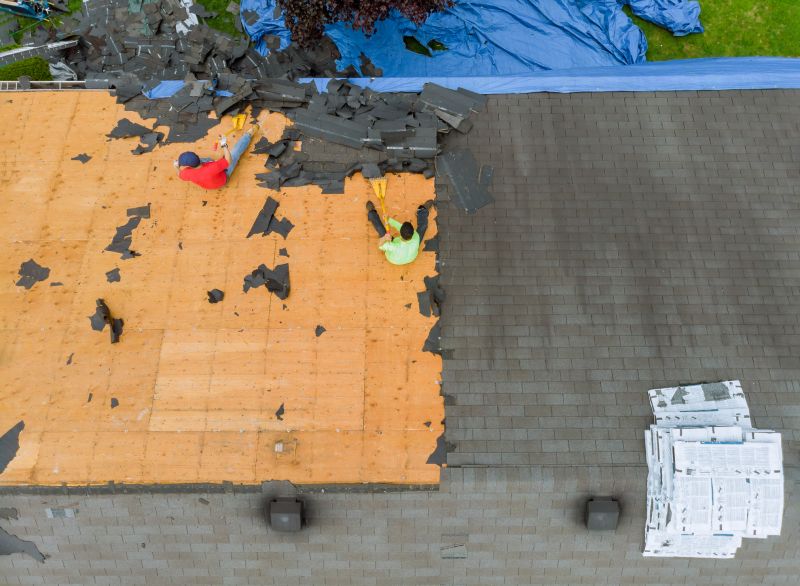
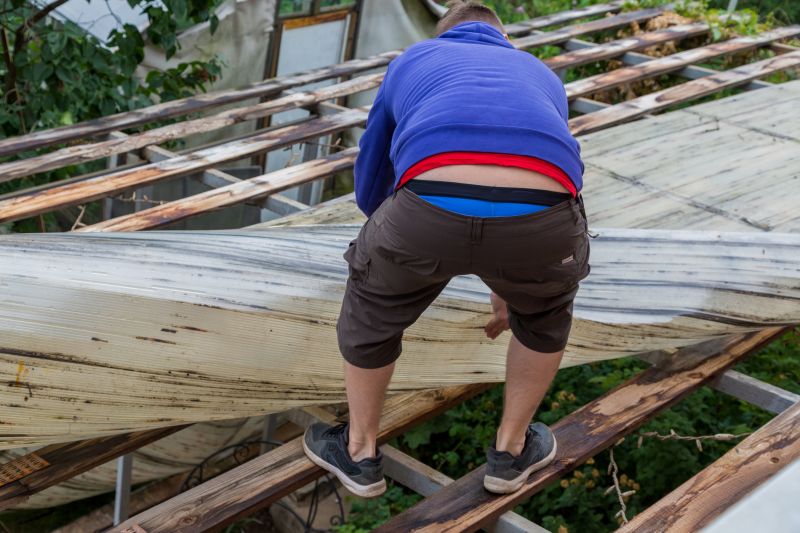
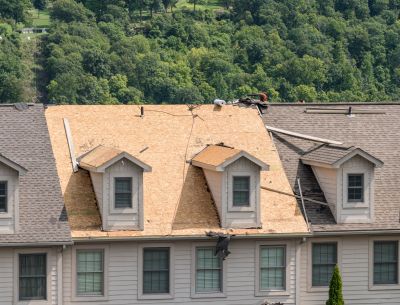
When people search for what roof removal involves and when it’s necessary, they are typically trying to understand the scope and purpose of removing an existing roof. Roof removal is a process that involves carefully stripping away the current roofing material, which may include shingles, tiles, or other coverings, down to the underlying structure. This step is often necessary when a roof has sustained extensive damage, such as from severe weather, leaks, or rot, making repairs insufficient or impossible. It’s also common during major renovation projects, where a complete roof replacement is part of updating or upgrading the property’s overall appearance and functionality.
The need for roof removal is closely related to specific problems or planned upgrades. For example, if a roof has persistent leaks or widespread damage that cannot be effectively repaired, removing the existing roof allows for a thorough inspection of the underlying structure. This process helps identify any rot, mold, or compromised framing that must be addressed before installing a new roof. On the other hand, roof removal may be required when a property owner plans to replace an aging or outdated roof with a different style, such as switching from asphalt shingles to metal roofing, or when adding features like skylights or a solar panel system that require modifications to the roof’s structure.
Properties that typically come up in discussions about roof removal include residential homes, especially those with aging or damaged roofs, as well as multi-family buildings and small commercial properties. Single-family houses often undergo roof removal when they are being renovated or if the existing roof has reached the end of its lifespan. Larger residential complexes or commercial buildings may also require roof removal during major upgrades or when installing new roofing systems that need a clean, stable base. The type of property influences the scope of the project, but the goal remains the same: ensuring the structure is sound and suitable for the new roofing material or design.
Understanding what roof removal involves and when it’s necessary helps homeowners see how local service providers fit into the process. These professionals handle the entire removal, ensuring safety and proper disposal of old materials, while preparing the structure for the new roof. Whether dealing with damage, upgrading styles, or making structural modifications, connecting with experienced local contractors is key to completing the project efficiently and correctly. Roof removal is a critical step in many roofing projects, and having skilled service providers involved ensures the work is done properly, setting the stage for a durable, long-lasting new roof.
Roof repair projects - These involve replacing or fixing damaged roofing components, requiring similar planning and safety considerations as roof removal.
Attic insulation installation - This work often requires roof access and removal of existing materials, making it comparable to roof removal in terms of planning and tools.
Gutter replacement and repair - Properly removing roofing sections can be necessary for gutter work, involving similar skills in handling roofing materials.
Chimney removal or repair - These projects involve careful removal of structural elements and often require roof sections to be temporarily taken apart, similar to roof removal processes.
Roof ventilation upgrades - Installing new vents may involve removing parts of the existing roof structure, aligning with the planning and safety involved in roof removal.
Siding and exterior wall work - When exterior wall repairs or siding replacements require roof access, similar tools and planning are involved as in roof removal tasks.
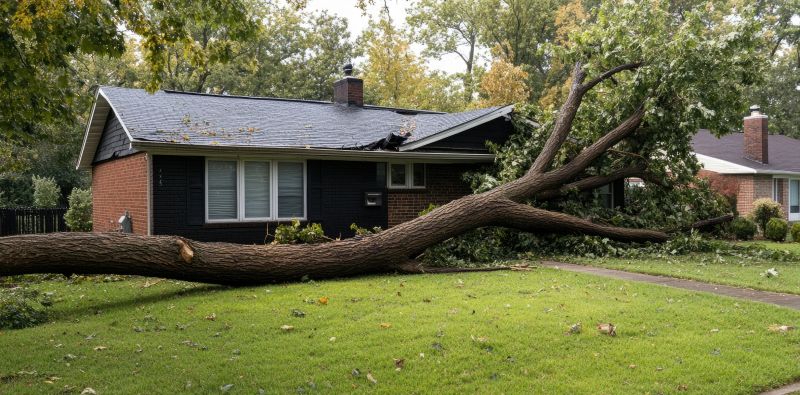
When comparing service providers for roof removal, it’s important to consider their experience with similar projects. Homeowners should look for local contractors who have a proven track record of handling roof removals comparable to the scope and complexity of their own needs. An experienced professional will be familiar with the common challenges that can arise during roof removal and know how to address them efficiently, reducing the risk of unexpected issues. This familiarity can provide confidence that the project will be managed competently and that the contractor understands the nuances involved in safely and effectively removing a roof.
Clear written expectations are essential when evaluating roof removal services. Homeowners should seek out service providers who can provide detailed estimates and scope of work, outlining what the project will entail from start to finish. Clear communication about the process helps ensure that both parties are aligned on what will be delivered, preventing misunderstandings or surprises later on. Additionally, reputable contractors should be willing to share references from past clients, offering insights into their reliability, quality of work, and professionalism. Trustworthy references can serve as a valuable resource in assessing whether a service provider has a history of satisfying homeowners’ expectations.
Good communication is a key factor in choosing the right local contractor for roof removal. Homeowners should prioritize service providers who are responsive, transparent, and willing to answer questions thoroughly. Open lines of communication facilitate a smoother project, as homeowners can stay informed about progress and any potential issues that may need addressing. When a contractor demonstrates clear communication and a professional approach, it often indicates a commitment to customer service and a dedication to completing the job to the homeowner’s satisfaction. Ensuring that expectations are clearly set and maintained throughout the process can lead to a more positive experience when dealing with roof removal services.
Property owners often search for what roof removal involves and when it’s necessary when they are planning practical projects around their homes and businesses. Local pros provide Roof Removal services for everyday jobs and straightforward project options.
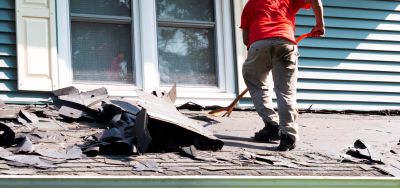
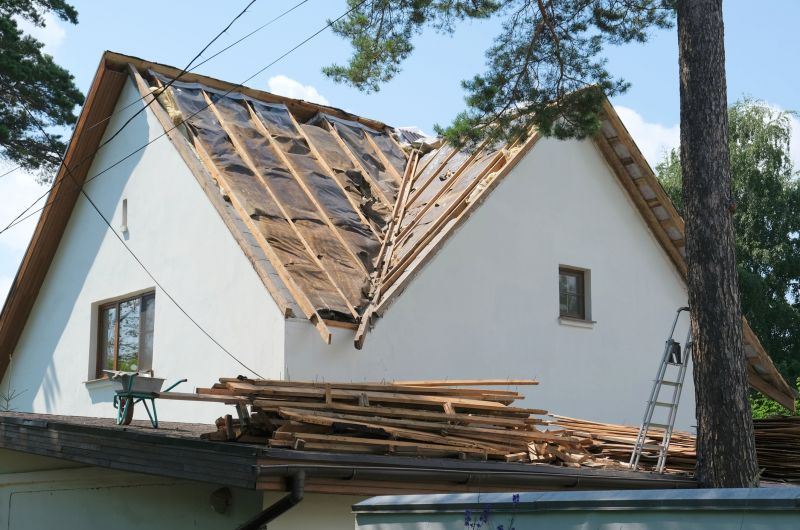
Understanding what roof removal involves and when it’s necessary can help property owners make informed decisions about their roofing projects. Typically, roof removal is a process that entails carefully tearing off an existing roof structure to prepare for a new layer or complete replacement. This step is often needed when old or damaged roofing materials have reached the end of their lifespan, or if there are underlying issues such as extensive water damage, rot, or structural problems that require a thorough overhaul. Homeowners and property owners might seek out local contractors for roof removal services when planning a roof upgrade, addressing persistent leaks, or preparing for significant repairs that involve removing multiple layers of roofing material.
Many property owners look into roof removal services to ensure the job is done safely and correctly, especially when dealing with complex or large-scale projects. Local service providers can handle the entire process, from the initial removal to preparing the surface for a new roof. Whether the goal is to replace an aging roof or to fix damage caused by severe weather, professional roof removal is a crucial step in maintaining the integrity and safety of a building. Consulting experienced local contractors can help ensure that the project is managed efficiently, with proper disposal of old materials and preparation for the next phase of roofing work.
What does roof removal involve? Roof removal involves carefully tearing off the existing roofing materials, such as shingles or tiles, to prepare for a new roof installation. Local contractors use specialized tools and techniques to ensure the process is safe and efficient, minimizing damage to the underlying structure.
When is roof removal necessary? Roof removal is typically necessary when the existing roof is severely damaged, has widespread leaks, or is outdated and needs replacement. Professionals can assess whether removal is required based on the roof’s condition and the scope of repairs or upgrades needed.
Can roof removal be done on any type of roof? Most types of roofing, including asphalt shingles, tiles, and metal roofs, can be removed by experienced service providers. The method may vary depending on the material, but local pros have the expertise to handle different roofing systems safely.
What are the signs that indicate a roof needs to be removed? Signs include persistent leaks, extensive shingle damage, sagging areas, or visible deterioration of roofing materials. A professional inspection can determine if roof removal is the appropriate next step.
How do local contractors ensure proper roof removal? Local service providers follow industry best practices, use appropriate safety measures, and carefully dispose of old materials to ensure the roof removal process is thorough and compliant with local regulations.
Assessing Roof Condition - Property owners can evaluate signs of damage or aging to determine if roof removal is necessary before installing a new roof.
Planning for Roof Replacement - Planning a roof removal project involves coordinating with local contractors to ensure proper disposal and preparation for new roofing materials.
Understanding When Removal is Needed - Knowing when a roof has reached the end of its lifespan or has extensive damage helps decide if roof removal services are required.
Preparing the Property - Properly clearing the area around the home can facilitate a smooth roof removal process with local service providers handling the heavy lifting.
If you are thinking about what roof removal involves and when it’s necessary for a property, this guide is meant to help you understand this topic, the typical project types, and how different options might fit your plans.
When you are ready, you can use the quote form on this page to share a few details about your project. From there, local pros can review the basics and follow up with options that match what you have in mind.